The Challenge
The Rhode Island landfill is projected to reach capacity as soon as 2046 due to inefficient disposal of waste, this excess of waste continues to strain taxpayers, and will only worsen when the landfill closes. Poor recycling practices cause 95% of Providence’s recycling loads to fail inspection and get redirected to the landfill. One of the most common accidental recycling errors is leaving food scraps or liquids inside otherwise-recyclable containers. Once contaminated, these items often can’t be recycled at all. This contamination issue is a major reason why recycling is such a critical concern within today’s food system. Poor composting practices result in food scraps making up one-third of Providence’s waste. When the landfill reaches capacity it will put a strain on the Rhode Island food industry because composting and sustainable disposal of food scraps will become much more expensive.
The Approach
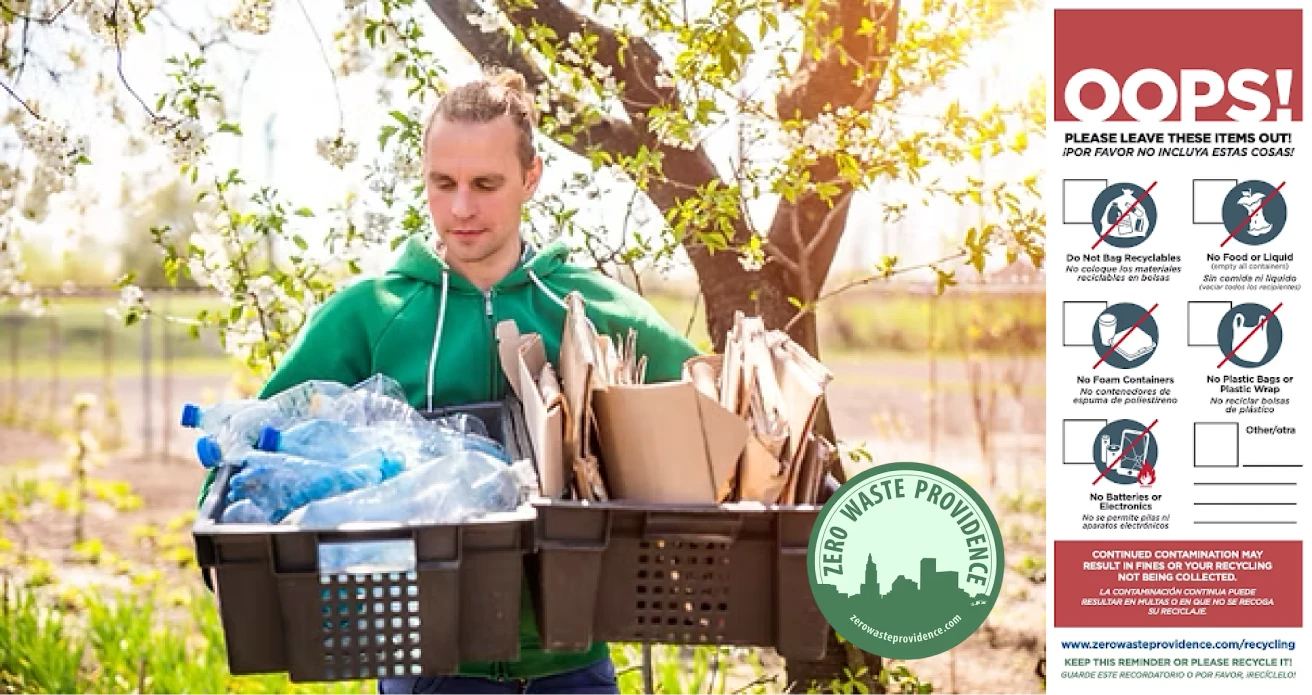
Zero Waste Providence utilizes the power of education and community interaction to improve residential recycling and composting. In 2025, ZWP completed their compost outreach initiative in which they successfully got 465 households to begin composting by having trained volunteers spreading information at community events such as farmers markets and block parties. ZWP’s current initiative targets recycling; their Street Team completes weekly inspections of residents’ recycling and informs them of any contaminants with the hope of reducing the number of recycling trucks, one by one, that get redirected to the landfill.
By The Numbers
Founded in 2016, Zero Waste Providence is an open membership nonprofit that has successfully taken on a number of initiatives to increase local sustainable practices.
- 465 households who began composting
- 6,397 individuals educated on food waste reduction
- 50 restaurants that began composting
- 128,000 pounds of food waste diverted from landfills
- 425 households who receive weekly recycling assessments
- 500 members participating in ZWP meetings and events
Divert food from landfills.
To minimize Providence’s waste footprint by encouraging sustainable habits at the household level so that reusable materials and food waste do not end up in landfills, incinerators, or oceans.
Program Description
Statement of Impact
Zero Waste Providence is encouraging better waste sorting practices to reduce Providence’s contributions to the state landfill to lessen the burden on taxpayers and the food industry.
Statement of Changes
- In 2022 ZWP helped 50 Providence restaurants to begin composting.
- Stationed trained volunteers at community events to disseminate information about residential composting and locations for free food scrap disposal.
- ZWP educated 6,397 individuals about food waste reduction, resulting in 1,191 of them adopting composting as a household practice.
- ZWP is currently working with a number of public schools to help them reduce cafeteria food waste by taking “15 minute field trips” to nearby composting sites.
- Over 400 households are receiving feedback about their recycling habits and are showing weekly improvement. The feedback is provided to residents through OOPS Tags.
- ZWP’s curbside recycling program can help make one more truck pass inspection each week.
Future Plans
Zero Waste Providence is a highly collaborative and growing organisation. In the future, they hope to access grant funding for further recycling and composting education and other potential future initiatives with the goal to increase sustainable lifestyles and practices in Providence.
To find out more about Zero Waste Providence and this initiative, follow the link to their website: https://www.zerowasteprovidence.com/recycling
This Rhode Island Story was prepared by Daisy Tuthill and Bo Bernard