Priorities
Policy
Policy for Progress
When policy and regulatory change are called for, the RI Food Policy Council acts as both a forum for issues and a platform for coordinated action. Our policy work is grounded in our vision of a just and resilient food system — one in which all Rhode Islanders have enough to eat and our local farm, fish, and food businesses are thriving.
The Council’s annual legislative priorities are based on members’ interests and advocacy goals. Work groups discuss policy priorities at the beginning of the Council year (Summer), and are officially set each Fall using a modified consensus decision-making process. For the rest of the year (through June) we work to educate and advocate for them.
We want to work with Rhode Islanders who want to promote good food policy and strengthen the capacity of our local and regional food system. Learn More

LegiScan Monitoring Report
June 3, 2026
| State | Bill # | Summary | Status |
|---|---|---|---|
| RI | H7342 |
Amends certain provisions relative to school waste recycling and refuse disposal and requires reports of waste audits by educational entities and reports of program participation by vendors. Changes: Committee Activity, History Steps |
2026-06-02 / Engross
Committee recommends passage of Sub A in concurrence |
| RI | S2438 |
Amends certain provisions relative to school waste recycling and refuse disposal and requires reports of waste audits by educational entities and reports of program participation by vendors. Changes: Title/Summary, History Steps, New Text |
2026-06-02 / Intro
Committee recommends passage of Sub A |
| RI | S2827 |
Exempts certain urban and small farmers from sales taxes, real, tangible and personal property taxes and income taxes. This act would also define urban and small farmers and urban farmland. Changes: Committee Activity, History Steps |
2026-06-02 / Intro
Placed on Senate Calendar (06/04/2026) |
| RI | S2892 |
Establishes a food as medicine pilot program and task force to be administered by the executive office of health and human services. Changes: History Steps, New Text |
2026-06-02 / Intro
Committee recommends passage of Sub A |
- H7432/S2438, which is very likely to soon pass both houses and become law, would strengthen existing school food waste mandates by requiring vendors to report on their compliance with the law as well as explicitly permit share tables. Share tables allow students to put back untouched/unopened food, such as an unopened drink, a banana etc. that can then be distributed to a fellow student rather than thrown out. This will help the highly effective and rapidly expanding school programs continue to grow in our state.
- S2827, which is likely to pass the Senate and which passed the House last year, will ensure the same tax benefits afforded to farms over 5 acres are available to those under 5 acres. We know these are the most rapidly growing types of farms, and ones that often serve to educate and feed their local communities. This will provide a small financial benefit to help them remain financially sustainable.
- S2892, which is likely to pass the Senate, would establish a Food is Medicine (FIM) Task Force to study FIM programs as well as allow the state to explore using existing Medicaid funds to pursue a FIM program. FIM programs generally provide some combination of medically tailored meals and or access to foods that community members would not otherwise be able to afford, in order to reduce negative health outcomes.
LegiScan Monitoring Report
April 25, 2026
| State | Bill # | Summary | Status |
|---|---|---|---|
| RI | H7242 |
Exempts certain urban and small farmers from sales taxes, real, tangible and personal property taxes and income taxes. This act would also define urban and small farmers and urban farmland. Changes: Calendar Add, History Steps |
2026-04-24 / Intro
[Hearing: Apr 29] To House Finance Committee |
| RI | S2238 |
Creates an additional tax rate of 3% on taxable income over $640,000 in 2026 dollars. Applies to tax years 2027 and thereafter and not retroactively. Changes: Calendar Add, History Steps |
2026-04-24 / Intro
[Hearing: Apr 30] To Senate Finance Committee |
| RI | S2441 |
Establishes Compost Fund to award grants related to reducing the amount of solid waste generated in the state. Changes: Calendar Add, History Steps |
2026-04-24 / Intro
[Hearing: Apr 28] To Senate Finance Committee |
Weekly Legislative Action Summary
| State | Bill # | Summary | Status |
|---|---|---|---|
| RI | H7342 |
Amends certain provisions relative to school waste recycling and refuse disposal and requires reports of waste audits by educational entities and reports of program participation by vendors. Changes: Calendar Add, Title/Summary, Committee Activity, History Steps, New Text |
2026-04-10 / Intro
Placed on House Calendar (04/14/2026) |
| RI | H7675 |
Establishes Compost Fund to award grants related to reducing the amount of solid waste generated in the state. Changes: History Steps |
2026-04-07 / Intro
To House State Government & Elections Committee |
| RI | H7698 |
Provides a tax credit for food donations by qualified taxpayers to nonprofit organizations up to five thousand dollars ($5,000) per year. Changes: Calendar Add, History Steps |
2026-04-10 / Intro
[Hearing: Apr 14] To House Finance Committee |
| RI | H7999 |
Allows for food and food supplies procurement by the state of less than $25,000 in aggregate under the small purchase regulations. Changes: History Steps |
2026-04-07 / Intro
To House State Government & Elections Committee |
| RI | H8144 |
Submits the state's 2026 capital development program relating to green bonds requesting the issuance of general obligation bonds totaling $60,000,000 for approval of the electorate at the general election to be held in November, 2026. Changes: Calendar Add, History Steps |
2026-04-10 / Intro
[Hearing: Apr 14] To House Finance Committee |
| RI | S2437 |
Authorizes the department of environmental management to issue and enforce rules and regulations to implement and enforce the provisions of the food waste ban. Changes: Calendar Add, History Steps |
2026-04-10 / Intro
[Hearing: Apr 15] To Senate Environment and Agriculture Committee |
| RI | S2438 |
Amends the certain provisions relative to school waste recycling and refuse disposal and requires reports of waste audits by educational entities and reports of program participation by vendors. Changes: Calendar Add, History Steps |
2026-04-10 / Intro
[Hearing: Apr 15] To Senate Environment and Agriculture Committee |
| RI | S2532 |
Amends the definition of farm and agricultural land to include land on which agricultural operations are being conducted or is suitable for agriculture operations, and further expand the definition of a farmer. Changes: History Steps |
2026-04-08 / Intro
To Senate Environment and Agriculture Committee |
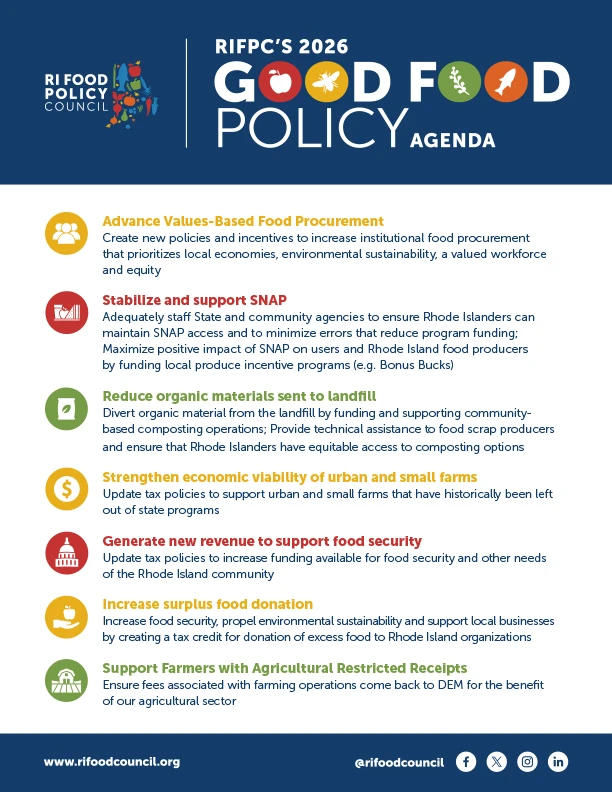
OUR POLICY PRIORITIES
Here’s what the state needs to do to create a more just and resilient food system by 2030.
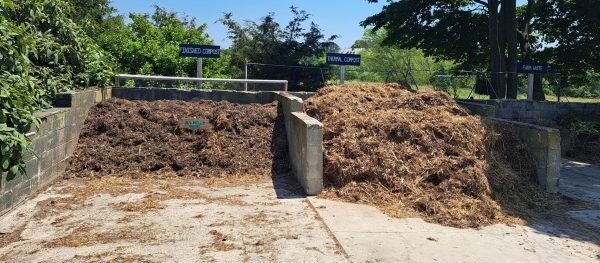
Compost Fund Campaign
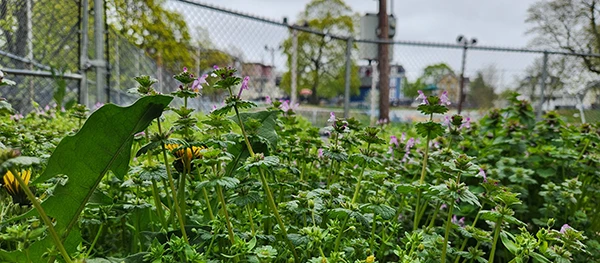
Establish a compost fund to support composting through a surcharge on landfill-bound waste. Rhode Island has a choice — waste or wealth.
Urban and Small Farm Success Campaign
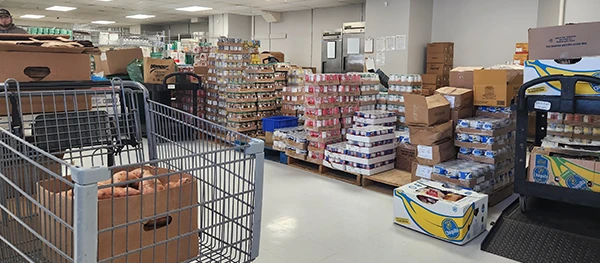
Exempt certain urban and small farms from specific state taxes. All Rhode Island farmers deserve a fair chance to succeed.
Food Donation Tax Credit Campaign
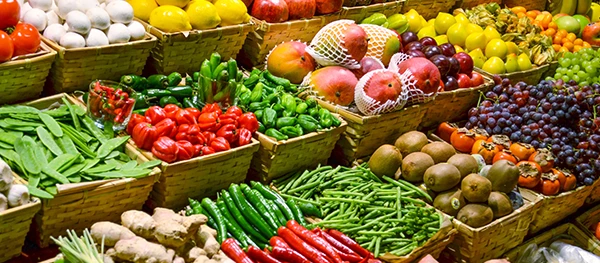
Introduce a tax credit for those who donate surplus food. Cut down waste, nourish communities, and boost businesses.

Good Food Purchasing Campaign
Create new policies and incentives to increase institutional food procurement that prioritizes local economies, environmental sustainability, a valued workforce, and equity. Put our state dollars to work building a more just and resilient local food economy.
Stabilize and Support SNAP Campaign
Increase capacity at state- and community-based agencies to minimize harm of new SNAP requirements. Protect Rhode Islanders’ ability to purchase the food they want and need.

Generate New Revenue to Support Food Security Campaign
Update tax policies to increase funding available for food security and other needs of the Rhode Island community. Make sure RI has the resources to meet the needs of our communities and the state.
Keep Agriculture Receipts for Agricultural Purposes Campaign
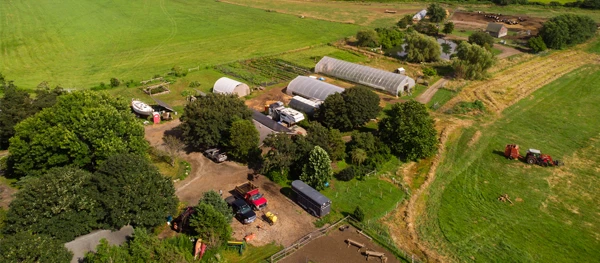
Ensure fees associated with farming operations come back to DEM for the benefit of our agricultural sector. Help our farmers, preserve our land, bolster our economy.
Advocacy is for All
Driven by a vision of a just and resilient food system, the RI Food Policy Council champions ‘Advocacy for All,’ ensuring every Rhode Islander can actively shape the food policies affecting our communities. Join this movement, and advocate for a food future where equity and sustainability are central to community success and health.


The Council welcomes opportunities to discuss these priorities. Please reach out.
Your legislators are listening! Do you want to make your voice heard at the State House?